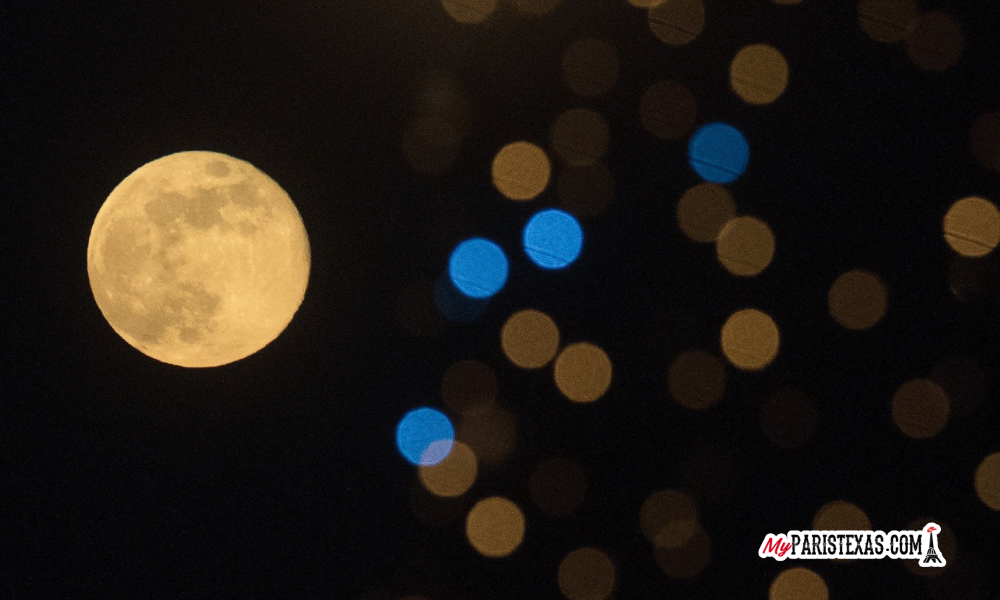

Why December’s Full Moon is a Supermoon and Called the Cold Moon
Mark your calendars! December 4, 2025, brings the Cold Moon, and this year it’s a dazzling supermoon. Rising brighter and slightly larger than usual, it lights up the lengthening nights as we approach winter. Don’t miss this stunning celestial show—read on to discover the best times to watch, how to capture it in photos, and the fascinating folklore behind this late fall Moon.
When to See December’s Full Moon
The Full Cold Moon will be 100% illuminated on December 4 at 5:14 P.M. CST. For the most dramatic view, watch just after moonrise, when the Moon appears larger near the horizon—a phenomenon called the “Moon illusion.” Clear skies and minimal light pollution will make it easier to appreciate the Moon’s brightness and detail. Check your local times with our Moon Rise Calculator.
What Makes the December 2025 Full Moon Special
The December full Moon is a supermoon, the third in a series of three consecutive supermoons at the end of 2025 (October, November, December). A supermoon occurs when the Moon is at its closest point to Earth in its orbit, called perigee.
Because it’s a supermoon, it may appear slightly larger and brighter than a typical full Moon—up to 8% larger in diameter and 16% brighter. For most casual observers, the difference is subtle, but it’s more noticeable if compared to a micro moon, when the Moon is at its farthest point from Earth.
Being near perigee and full, this Moon can also produce slightly higher tides, known as perigean spring tides or king tides, especially along coastlines, though the effect is modest.
This supermoon also comes just before the peak of the Geminid meteor shower (December 13–14), which means exceptionally dark skies for a dazzling display of shooting stars.
The Full Cold Moon
The Moon names we use in The Old Farmer’s Almanac come from centuries of Native American, colonial, and European traditions. December’s Full Moon is most commonly called the Cold Moon (Mohawk), reflecting the frigid season. It is also known as the Long Night Moon (Mohican) because it rises during the longest nights of the year, near the winter solstice, and remains above the horizon for an extended period.
Other traditional names that highlight the cold and snow include:
- Drift Clearing Moon (Cree)
- Frost Exploding Trees Moon (Cree)
- Moon of the Popping Trees (Oglala)
- Hoar Frost Moon (Cree)
- Snow Moon (Haida, Cherokee)
- Winter Maker Moon (Western Abenaki)
- Moon When the Deer Shed Their Antlers (Dakota)
- Little Spirit Moon (Anishinaabe)
In Europe, ancient pagans called it the “Moon Before Yule” in honor of the Yuletide festival celebrating the return of the sun. → See a full calendar year of full Moon names and their meanings.
Moon Phases for December 2025
Below are the dates and times (in Eastern Time) of the Moon’s phases in December. Click here to see the Moon phase dates and times for your location.
.png) |
Full Moon: December 4, 6:14 P.M. |
.png) |
Last Quarter: December 11, 3:52 P.M. |
.png) |
New Moon: December 19, 8:43 P.M. |
.png) |
First Quarter: December 27, 2:10 P.M. |
Source: Catherine Boeckmann, The Old Farmer’s Almanac
Photo Credit: space.com