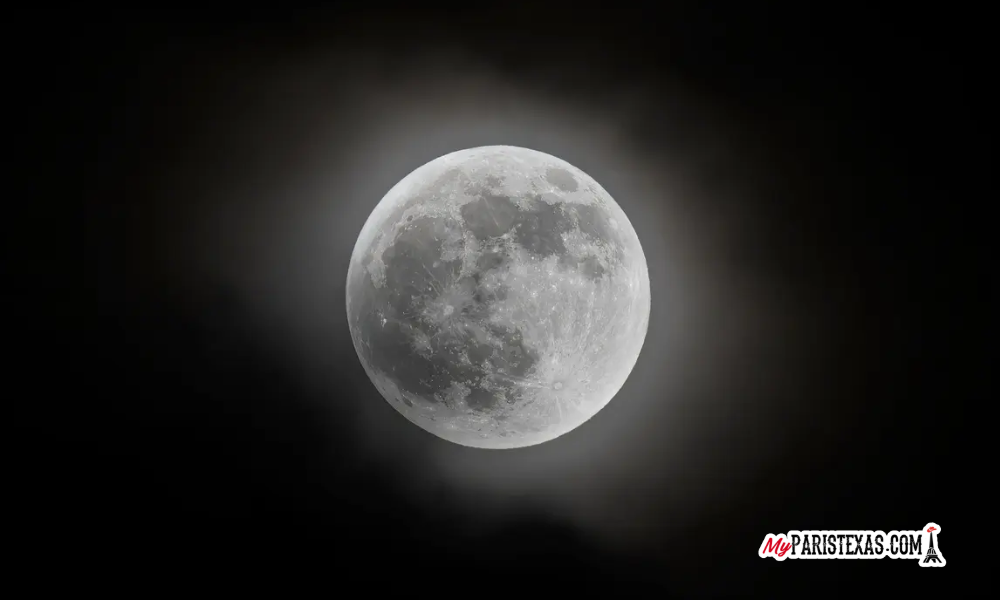

Discover Why February’s Moon is Called the Snow Moon and How to See It at Its Peak
February’s Full Moon peaks on Sunday evening, February 1! Why is it called the Full Snow Moon? What makes this chilly Moon so special? Find out in our February Moon Guide.
When to See the Full Moon in February 2026
February’s Full Snow Moon reaches peak illumination at 4:09 P.M. CST on Sunday, February 1. Step outside after dusk to see the Full Moon in all of its glory!
Why Is It Called the Snow Moon?
The Full Moon names used by The Old Farmer’s Almanac come from a number of places, including Native American, Colonial American, and European sources. Traditionally, each Full Moon name was applied to the entire lunar month in which it occurred, not just to the Full Moon itself.
The Snow Moon
The explanation behind February’s Full Moon name is a fairly straightforward one: it’s known as the Snow Moon due to the typically heavy snowfall that occurs in February. On average, February is the United States’ snowiest month, according to data from the National Weather Service. In the 1760s, Captain Jonathan Carver, who had visited with the Naudowessie (Dakota), wrote that the name used for this period was the Snow Moon, “because more snow commonly falls during this month than any other in the winter.”
Alternative February Moon Names
Names for this month’s Moon have historically had a connection to animals. The Cree traditionally called this the Bald Eagle Moon or Eagle Moon. The Ojibwe Bear Moon and Tlingit Black Bear Moon refer to the time when bear cubs are born. The Dakota also call this the Raccoon Moon; certain Algonquin peoples named it the Groundhog Moon, and the Haida named it Goose Moon.
Another theme of this month’s Moon names is scarcity. The Cherokee names of Month of the Bony Moon and Hungry Moon give evidence to the fact that food was hard to come by at this time.
|
|
Full Moon: February 1, 4:09 P.M. |
|
|
Last Quarter: February 9, 6:43 A.M. |
|
|
New Moon: February 17, 6:01 A.M. |
|
|
First Quarter: February 24, 6:27 A.M. |
.png)
.png)
.png)
.png)
Moon Facts and Folklore
- On February 6, 1971, Alan Shepard became the first man to hit a golf ball on the Moon.
- Did you know that the Moon’s diameter is 2,160 miles? This is less than the width of the United States (approximately 3,000 miles), and 0.27 of Earth’s diameter (7,926 miles).
- Wolves have howled at the Moon for centuries, yet it is still there.
- And hand in hand, on the edge of the sand, they danced by the light of the Moon.
—Edward Lear, English poet (1812-88)
Source: Catherine Boeckmann, The Old Farmer’s Almanac
Photo Credit: space.com